Resource Category: Research & evaluations

The Importance of Research in Sensory Theatre: Celebrating Alison Mahoney’s Contributions

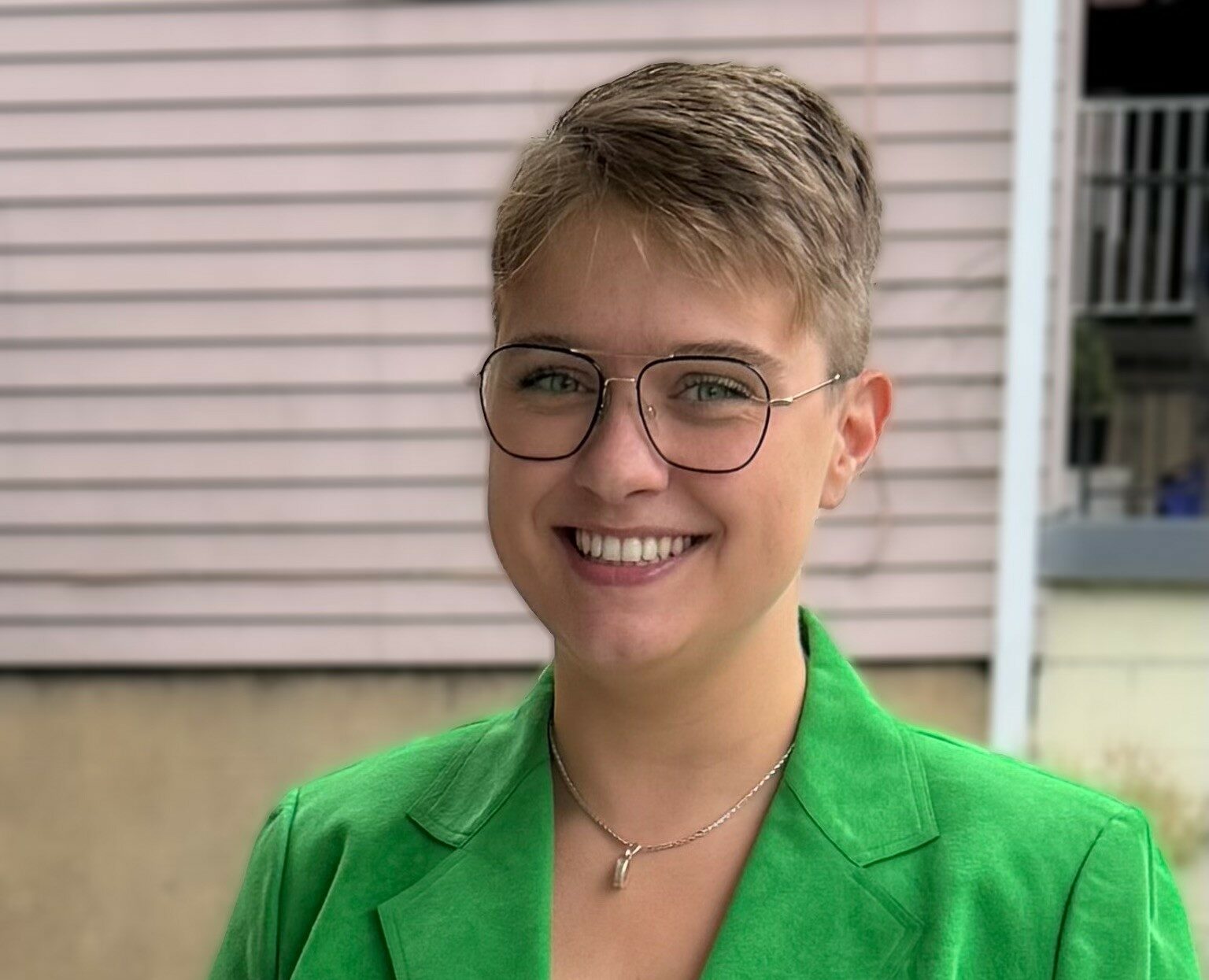
Alison Mahoney (she/they) has blond cropped hair, wire glasses and a green blazer. They smile at the camera. Behind them a brown building with clapperboard details is visible.

Sensory Theatre is a bold and boundary-pushing form of performance, creating new ways to engage audiences, particularly disabled audiences who have historically been marginalised. Despite its significance, academic research in this area has been limited, leaving a gap in understanding and recognition of this unique art form.

Alison Mahoney

That’s why Alison Mahoney’s work is so vital. By focusing on this pioneering practice, Mahoney highlights how Sensory Theatre challenges conventional ideas of performance while unlocking new possibilities for creativity, inclusion, and accessibility. Their research not only fills the critical gap but underscores that Sensory Theatre—and its audiences—deserve greater attention and recognition.

With its ability to offer diverse ways to experience and interact with performances, Sensory Theatre has the potential to make the arts more open and accessible to a wider range of people. Mahoney’s work demonstrates how this innovative approach can shape the future of theatre, ensuring it becomes more inclusive and welcoming for everyone.

Below, we highlight two key pieces of Mahoney’s research, illustrating how their work is helping to broaden understanding and elevate the reach of this forward-thinking form of theatre.

Oily Cart’s Space to Be: Exploring the Carer’s Role in Sensory Theatre for Neurodiverse Audiences during COVID-19

Oily Cart, a pioneering London-based Sensory Theatre company, responded to COVID-19 restrictions with a season of work presented in various formats in audiences’ homes, and their production Space to Be marked a shift in the company’s engagement to include an emphasis on the carer’s experience.

Using this production as a case study, Alison argues that the pivotal role adopted by carers during the pandemic has the potential to shape future in-person productions, moving practitioners toward a more holistic, neurodiverse audience experience that challenges a disabled–nondisabled binary by embracing carers’ experiences alongside those of neurodivergent audience members.

[Link to journal article: Oily Cart’s Space to Be: Exploring the Carer’s Role in Sensory Theatre for Neurodiverse Audiences during COVID-19]

‘Severe’ Sensory Theatre: Building Relational Disability Politics during UK COVID Lockdowns

This article examines the COVID-era shift in the disability politics of Sensory Theatre artists in the United Kingdom who create work for neurodiverse young audiences, arguing that the pandemic pushed them toward a more expansive and overtly political understanding of disability.

Alison examines the work of three companies – Oily Cart (London), Frozen Light (Norwich) and Spectra (Birmingham) – who adjusted their practices to embrace their audiences’ shifting access needs, including those in caregiving roles.

These changes move Sensory Theatre into a more politicized realm, echoing calls from crip studies scholars and disability justice activists to reimagine disability as a relational category from which solidarity can arise that does not hinge entirely on medical diagnosis. These artists’ renewed commitments to relational access provide lessons for performing artists and audiences navigating how to care for one another through the massive death and disablement of the ongoing pandemic.

[Link to journal article: ‘Severe’ Sensory Theatre: Building Relational Disability Politics during UK COVID Lockdowns]

About Alison Mahoney

Alison Mahoney is a PhD candidate in Theatre and Performance Studies at the University of Pittsburgh, where their research and theatre practice centre disability and neurodiversity in performance. Alison was the founding artistic director of Bluelaces Theater Company (New York), which produces Sensory Theatre for neurodiverse audiences; with Bluelaces, they directed the devising process for Out There! and SUDS.

They also directed the regional premiere of Will Arbery’s Corsicana at PittStages and have worked as a director, creative access consultant, and teaching artist with several organizations and productions, including for Paola Prestini’s new opera Sensorium Ex (Omaha), Lincoln Center for the Performing Arts (New York), CO/LAB Theater Group (New York), and Stage Beyond (Derry). Their scholarship has been published in Theatre Survey and Theatre Research International. MA Contemporary Performance Practice, Ulster University; BS Theatre & Gender Studies, Northwestern University. 

Take a look at Oily Cart’s research, including ‘Being With’ in Sensory Theatre Report and The Uncancellable Programme Report.
Inclusion in Theatre: Insights from an Access and Wellbeing Officer

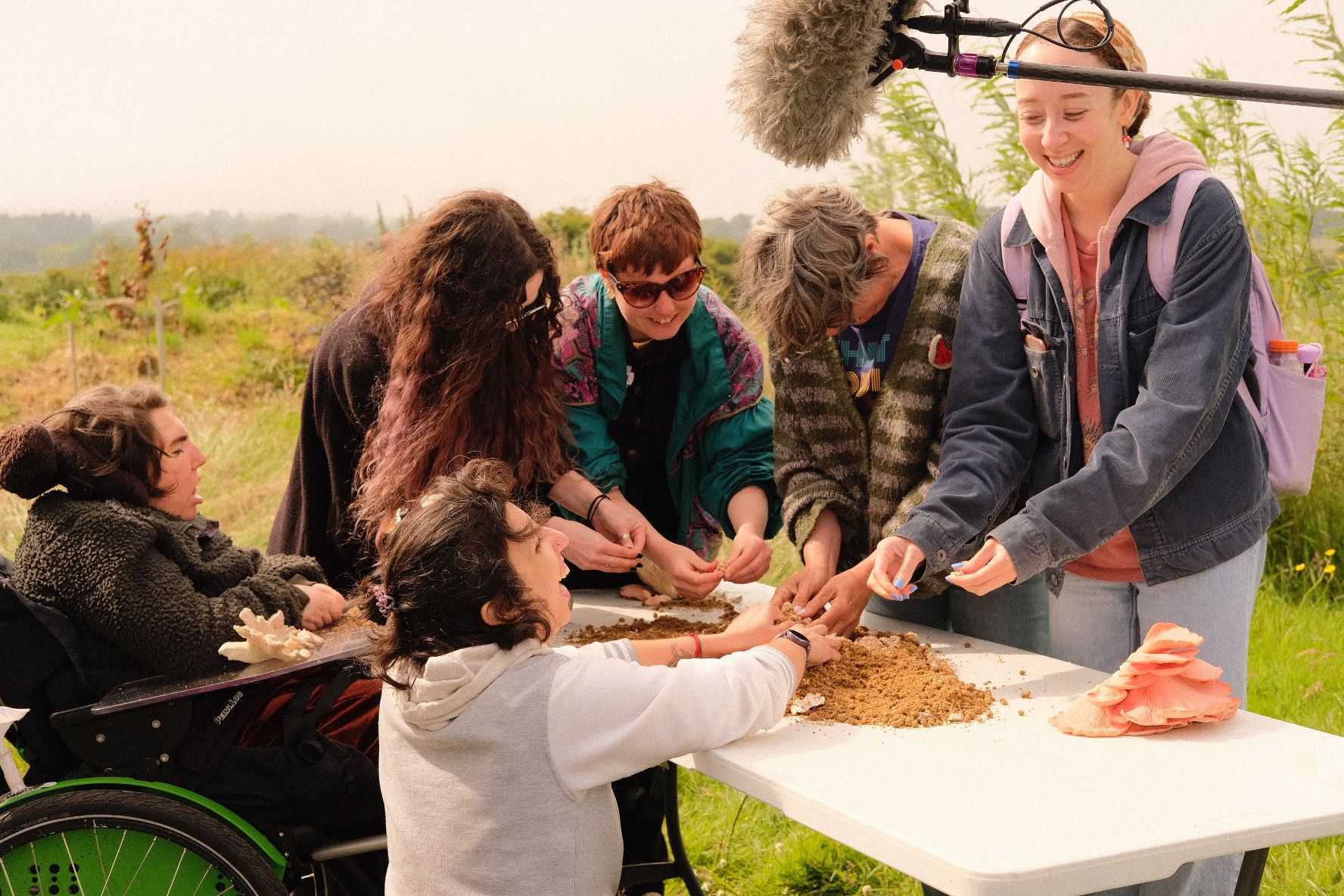
Behind the scenes of filming for A World Beneath Us. Six people, including Maka, surround a white table in a field. They are all feeling the pile of soil on the table. A boom mic is suspended overhead.
Listen to the audio recording of this blog
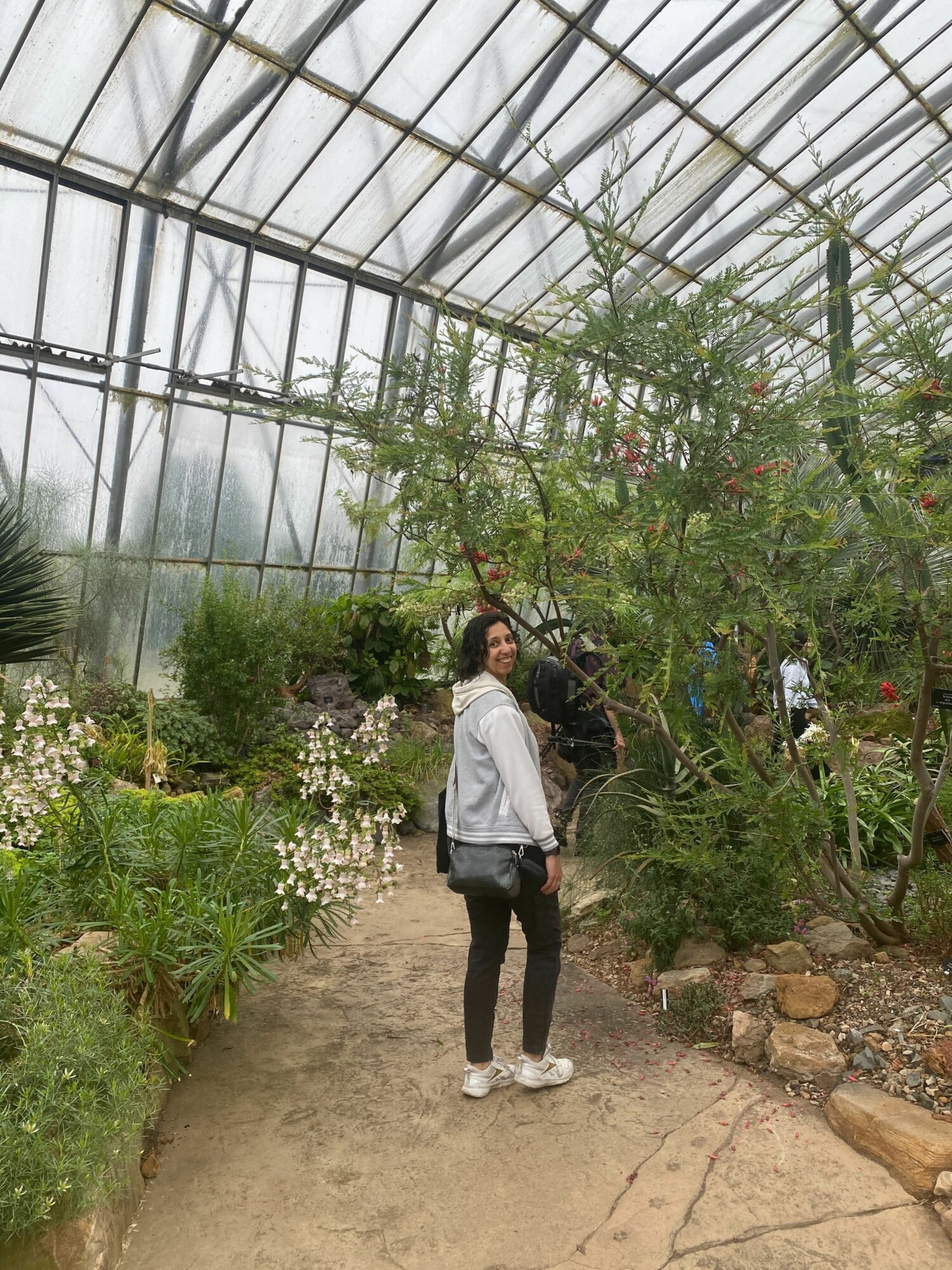
Maka is a Latinx in their 30s, with a short brown hair, and wearing a grey hoodie and jeans. Maka looks over their shoulder at the camera smiling. They are on a path in a greenhouse during filming for A World Beneath Us. Trees and plants surround them and condensation-covered windows are in the background.

Hi, my name is Maka Marambio de la Fuente, a neurodivergent queer Latinx. I’ve spent the last year working as the Access and Wellbeing Officer at Oily Cart, a theatre company that creates Sensory Theatre for young audiences. My work is all about making sure that everyone feels welcome and included in theatre, no matter their background or needs.

In this blog, I’ll talk about why inclusion, access, and wellbeing are so important, share what I’ve learned so far, and explore what I’d love to try next. I’ll also offer some thoughts for other organisations looking to make their work more accessible and inclusive.

What does an Access and Wellbeing Officer do?

At end of the day, I want people to be in the best environment possible for them, to have the best possible experience, whether that’s as an audience member, freelancer, core staff team or trustee. Consistently considering access and wellbeing, and embedding inclusive practices into everything we do, is how we make that happen with and for everyone in our community. That looks like lots of different things day-to-day: from creating preparation resources to being an in-person access support at rehearsals or events.

Access and wellbeing has a big scope and many dimensions; when we have a person in a role like mine that is dedicated to it, general oversight, close connections and creative growth is possible. It’s a role that challenges my empathy, creativity and knowledge, to present every person we interact with the best strategies and support for their personal and communal wellbeing, and access to spaces and information.

What have you learnt in the past year?

NOBODY EXPECTS PERFECTION EVER.

Particularly in times of inflation, austerity and crisis, it’s so hard to not be overly critical with oneself. The funding landscape is increasingly competitive, for instance, which can add a huge pressure to present perfectly polished creative ideas. Joining the Oily Cart team, I’ve learnt that just as I don’t expect perfection from others, no one expects 1000/10 or even 10/10 ALL the time from me. It’s okay to send a draft; you can always ask for help.

Around that, I’ve learnt the massive value of reassurance. As a sector, we are doing unique, difficult work; as an individual, I’m a migrant that has changed my environment, moved hemispheres, and is doing this very nuanced work in a language that is not my own (but I’m making it my own). That’s huge! It’s important we stop and recognise those achievements, personally and collectively.

What do you want to try in the future?

I would love to explore Sensory Theatre that is connected to migrant communities, because our shared sensory memory is different.

I pass a tyre shop on my walk to the Oily Cart office, the sounds and smells really make me feel at home. I realise it’s because my grandparent’s house in Chile was near a neighbourhood with lots of car workshops, and my grandad had a workshop in his house too. It’s a sensory memory that’s specific to me, but I think it has wider cultural resonance: it taps into a working-class, Latin American sensory memory. Whenever I walk past, I take a deep breath.

These small sensory moments are also familiar, culturally-connected experiences. That’s so important to a family who are far away from their home. I think sensory, non-verbal experiences created with and for migrant communities, that tap into their individual and shared sensory landscapes, could create a really important, beautiful experience of sensory belonging.

What are your key insights to share with other organisations?

Nothing About Us Without Us: It’s essential when thinking not only about access and wellbeing, but across all our work, We need to constantly push to connect with the disabled community and work with disabled people  It’s essential when thinking not only about access and wellbeing, but across all our work,

Challenge yourself: I regularly say to myself, “We are ok, how can we be better?” This leads me to constantly be mindful of processing times and rest, both for the people we’re working with but also myself, which is important as it’s common in this industry to burn out

More time: I am a fan of allocating buffer time for rest, for travelling time, having longer breaks, giving processing time after certain sessions and so forth.

Interview with Flossie Waite, Communications and Advocacy Officer at Oily Cart. Flossie is a disabled person with experience in journalism, including founding the UK’s first website dedicated to covering theatre for young audiences, Children’s Theatre Reviews, and editing Arts Council England’s Voice Magazine, a magazine created by and for young people. They have recently been accepted to the PYA England Steering Group.

For more on how we create and share our shows, and our research and resources, visit Resources for Artists.

Re-shaping Advocacy

Performer throwing red petals over a fan next to a young person in the audience

Our Artistic Director Ellie wrote this piece following her time on Clore Leadership’s Inclusive Cultures programme. You can read the full article, ‘Re-shaping Advocacy’, on the Clore Leadership website.

Intro:

I’d like to acknowledge my position as a neurodivergent, non-disabled, white leader of an arts organisation. I’m aware this perspective permeates everything I write.

In this piece I question what can be gleaned from sensory methodology, which has been developed over decades of being with disabled children to expand our definition of advocacy so it never becomes simply speaking on behalf of.

Love your unresolve-ables

My experience of leading Oily Cart has been a bit like repeatedly tripping up in ethical tangles. It can be hard to talk about the tricky bits… the minute you bring them up, people look uncomfortable. There’s a seductive comfort in sticking with the positive. Yet without facing up to the gnarly tangles, especially the ones you may not be able to resolve, and especially where you are part of the problem, there’s no possibility for progress.

Someone once reflected that working with me was like chipping away at the floor you’re standing on to see what’s underneath. This attitude causes problems for a planning team who need definites and funders who want good news stories.

Making space for the ‘unresolveds’ can be counter-intuitive.

Through the Inclusive Cultures programme, and the wise minds I’ve encountered, I have noticed a shift towards honouring the tangles, without experiencing them as a threat. I have a hunch that being wildly curious about our grey areas could push towards something more nuanced and ultimately better, even if beyond the scope of our individual careers. I’m trying to now stand amongst the tangles, and breathe…

Read Ellie’s full article, Re-shaping Advocacy, on the Clore Leadership website.

Sensory Theatre: How to Make Interactive, Inclusive, Immersive Theatre for Diverse Audiences

Front cover of Tim Webb's book. The title is in white text: Sensory Theatre: How to Make Interactive, Inclusive, Immersive Theatre for Diverse Audiences. It is overlaid on a photo from an Oily Cart show, Blue. A performer wearing a red baker boy cap and trousers with braces extends his arm and points to something out of shot. Behind him is a projection of a starry sky. The lighting is low and blue-tinted.

At Oily Cart, we are often asked for guidance around the development and practice of Sensory Theatre. For anyone interested in learning about and making this work, Oily Cart’s Co-Founder and former Artistic Director Tim Webb MBE has published an incredible resource. Sensory Theatre is an accessible step-by-step guide to creating theatre for inclusive audiences. It’s available to purchase here and from other retailers.

For more on Oily Cart’s history and the development of Sensory Theatre, take a look at Our Story and our resources for artists. You may also be interested in Oily Cart: All Sorts of Theatre for All Sorts of Kids. Founders, actors, reviewers and audience contribute to this essential source book for anyone interested in Sensory Theatre.

Conventional theatre relies on seeing and hearing to involve its audience; sensory theatre harnesses the power of five or more senses to address its audience members who have different ways of relating to the world around them.

a groundbreaking book that opens the doors to all theatre practitioners
TYA Today Magazine, TYA/USA

This book is an insightful history of Oily Cart and its pioneering development of work by Oily Cart co-founder and former Artistic Director Tim Webb. It gives a clear introduction to the fundamental concepts of sensory theatre, suggests a host of practical techniques drawn from over forty years of experience, and describes some of Oily Cart’s most radical innovations, including theatre on trampolines, in hydrotherapy pools, and with flying audiences in the company of aerial artists.

Dive in anywhere into this fascinating book by one of the founders of the great Oily Cart Theatre Company and you will learn something refreshingly new about theatre and how it can speak to ALL of us.
Tony Graham, Freelance theatre director and former Artistic Director of Unicorn Theatre

The book also includes copious photos from the Oily Cart archives and links to video examples of the company’s work. Readers will learn how to:

  • Research the intended audience while not being led astray by labels.
  • Create a welcoming, immersive sensory space in classrooms, nurseries, school halls, and playgrounds.
  • Devise sensory stories that can be adapted to suit different audiences.
  • Recruit, audition, cast, and run rehearsals.
  • Ensure that the production is truly sensory and interactive.

Written for Theatre for Young Audiences, Drama in Education, and specialized Applied Theatre courses, as well as educators and theatre practitioners interested in creating inclusive, interactive productions, Sensory Theatre offers a goldmine of ideas for making work that connects with audiences who can be the hardest to reach.

Come check out Tim Webb’s exciting, engaging, and important new book!
David Montgomery, Director of the Program in Educational Theatre at New York University

Much like the shows that Oily Cart creates, this book is a wonder. Based simply on the company’s reputation alone, anyone who has ever attended an Oily Cart performance should grab a copy. But the text is much more than a compilation of past achievements. Instead it is guidebook, a reference, an encyclopedia into the worlds of TVY (theatre for the very young), Sensory Theatre, into theatre that is truly created for ALL audiences
Mark Branner, Professor of Theatre, University of Hawaii at Manoa

Vitally important book that every theatre professional and student must read.
T.A. Fisher, Associate Professor in the Department of Communication Arts and Sciences at Bronx Community College (CUNY)

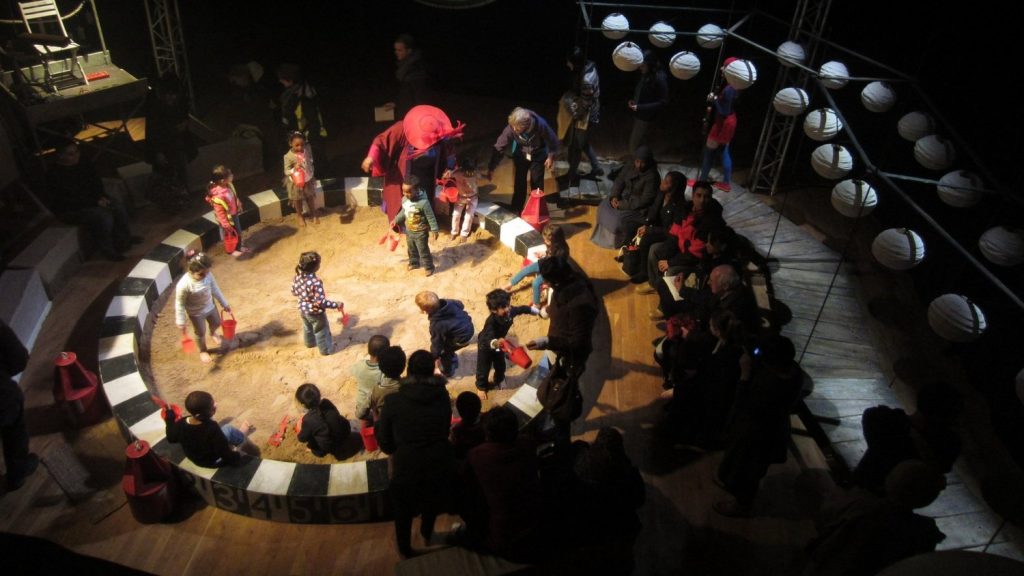
Aerial view of a performance of Mr and Mrs Moon. Performers and audience member play, make sandcastles and draw pictures together inside a big circular sand pit.
Mr and Mrs Moon 2012. Sandy played by Natasha Magigi in the giant sandpit where she and the participants all make sandcastles and draw pictures together
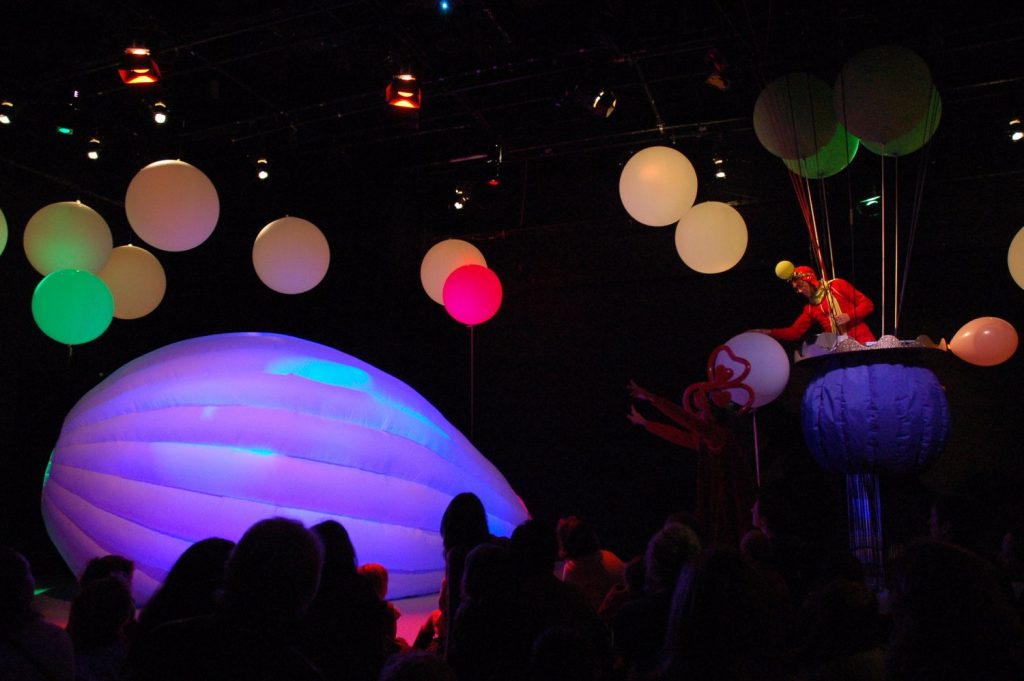
Production shot from Big Balloon. The aeronaut (played by Griff Fender) is in his hot air balloon, overseeing the action. A huge inflated balloon-shape lies on its side in front of him, and glowing orb shapes hang from the roof.
Big Balloon 2008. The aeronaut (Griff Fender) in his hot air balloon oversees the action at the Unicorn Theatre. An Oily Cart production for under-fives.

‘Finding the space between’: Sensory Theatre and Community

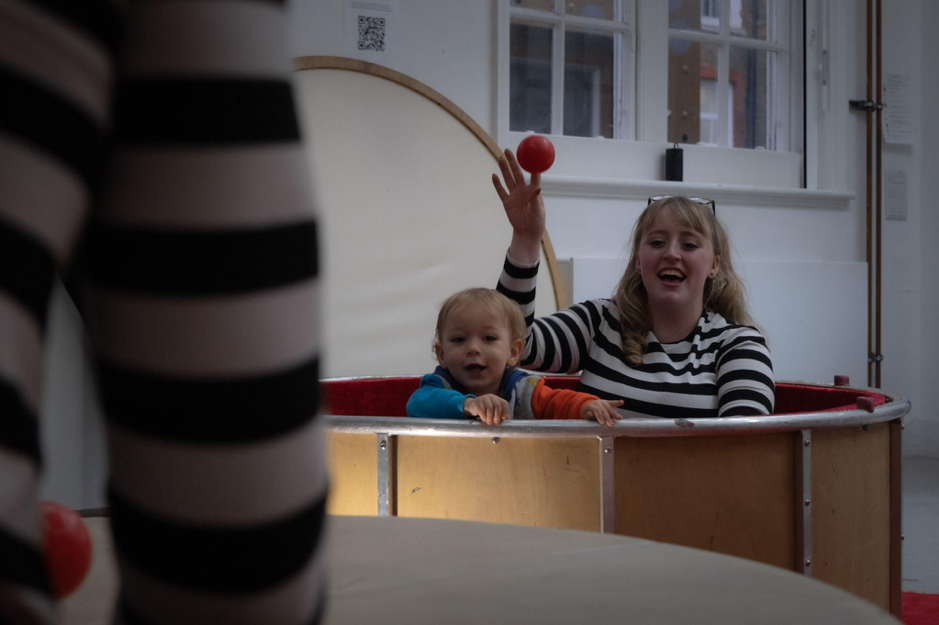
Siobhan, a blond white woman in her 20s wearing a black and white striped top, sits inside a drum-shaped ball pool. Next to her is a baby holding onto the edge of the ball pool. Siobhan is throwing a ball out, towards a figure in the foreground also wearing black and white.

Written by Participatory Artist Siobhán Wedgeworth

Over the past year, I have had the chance to immerse myself in the world of Oily Cart and sensory theatre. It’s reinforced to me that my creative world and practice is much better when it is theatre which we can taste, touch, smell, feel, see, hear and experience together – not in isolation.  Doing maternity cover as Access and Engagement Officer, my tasks ranged from carrying several bunches of red roses across Edinburgh’s Royal Mile to leading Oily Cart’s first community workshops in our Sensory Play Programme.

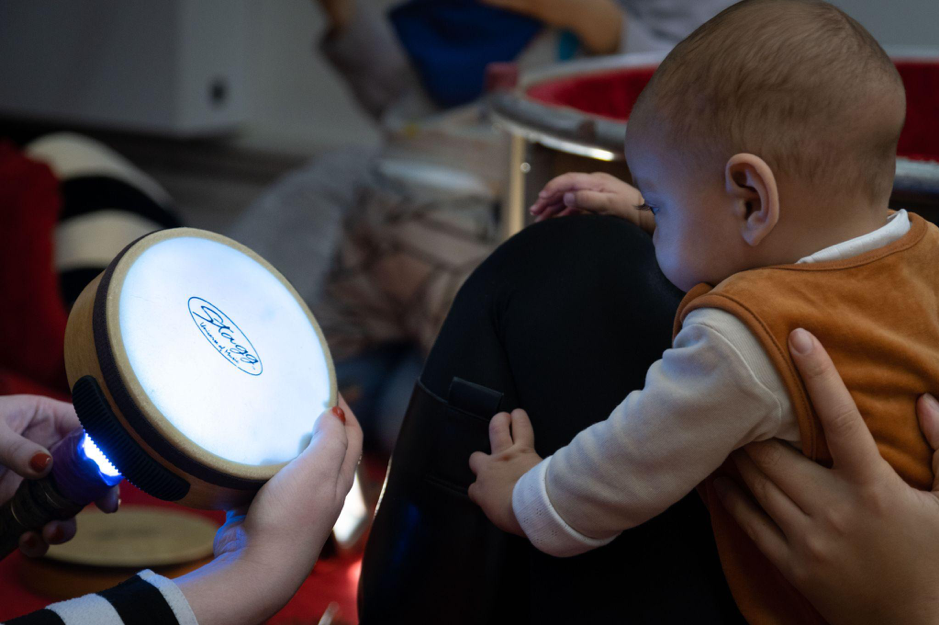
A baby held leaning on a parent's knee looks at a drum with torch light being shone through it.
Baby Drum Sensory Play Session. Photo: Rosie Simsek

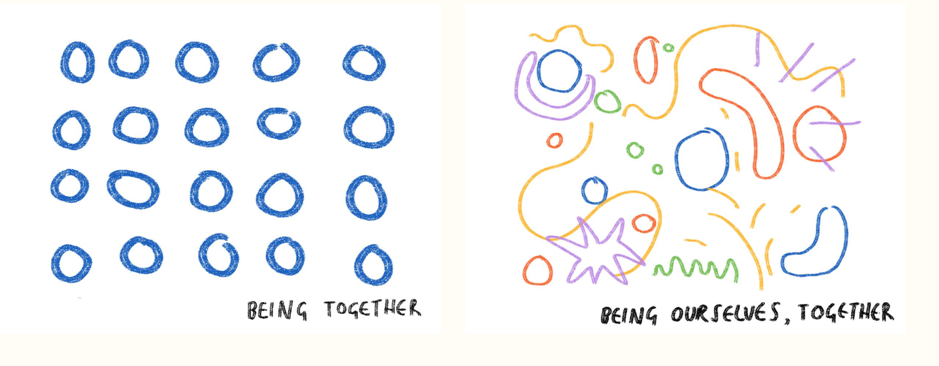
Community is an interesting word when it comes to theatre. It’s often talked about as a ‘communal space’, but as this illustration by Play Radical’s Max Alexander shows, it’s a different thing entirely being together in commune in a way that feels authentic to each person, especially if much of the audience is disabled.

Two illustrations side by side. On the left ‘BEING TOGETHER’ a uniform graphic with blue circles on a page. On the right ‘BEING OURSELVES, TOGETHER’ a graphic with varied shapes and colours - squiggles, circles, ovals, curvy lines, spiky lines, small lines splattered across the graphic.
Illustration by Max Alexander

Community participatory arts is often seen as lesser than ‘main stage’ theatre shows. While this statement is not a new revelation and there has been growing development of wonderful engagement and community projects nationally, there is still more to be done for projects which involve and invite children and families who experience the most barriers to access (often labelled as PMLD – Profound and Multiple Learning Disabilities). I’m interested in the space between the two: where high quality theatre can pop up in unexpected, everyday, familiar places, and people feel ownership and have more power in their everyday communities and spaces.

Organisations can learn from community arts projects how to build a community around the work they are touring by building long term relationships with the local community through regular free sessions, visiting schools and development opportunities to name a few. By doing this, arts organisations would get to understand the bread and butter of each community, how news travels from Whatsapp group to Whatsapp group or at the local caff.

“Working in non-arts contexts offers opportunities for new conversations: creative and verbal, collective and individual”

Nicola Naismith, 2019

Despite the importance of working in non-arts contexts, I wonder: how can we dissolve the idea that we must go to “them”? Instead, let’s see theatre makers and arts organisations shift their practice to a sustained and focused effort on making our creative spaces welcoming; becoming part of the community, rather than a closed space.

Siobhan, a blond white woman in her 20s wearing a black and white striped top, sits inside a drum-shaped ball pool. Next to her is a baby holding onto the edge of the ball pool. Siobhan is throwing a ball out, towards a figure in the foreground also wearing black and white.
Siobhán leading a Baby Drum Sensory Play Session. Photo: Rosie Simsek

I am currently working with Spark Arts for Children as one of their Vital Spark Artists, a movement addressing the lack of diversity in the Performance for Young Audiences (PYA) sector. Spark have found an exciting balance of these two worlds, with shows taking place in families’ homes, school halls, libraries and local arts venues across Leicester. With families and children at the heart of the festival, I feel excited by how this model could be adopted nationwide with touring throughout the year. I feel inspired by my time with Oily Cart to continue exploring sensory theatre and how I can make ambitious, high quality work that sits neatly bang in the middle between these two worlds and really own it!

Sensory Theatre might even be seen as not a different or special way of making theatre, but maybe just the way that makes the most sense, so everyone can come?” 

Young artist Coery Nicholson at Oily Cart’s 40th Celebration

If you would like to find out more about my work and have a chat you can find me at
siobhanwedgeworth@gmail.com
https://siobhanwedgeworth.carrd.co/
Twitter @siobhanwedge

References:

Max Alexander, Play Radical. Communal Space as an autistic person or: What’s the big deal about other people? 2020 [online]. https://playradical.com/2020/02/27/communal-space-as-an-autistic-person-or-whats-the-big-deal-about-other-people/comment-page-1/?unapproved=638&moderation-hash=13df8389821f542fd3ec249cf853b4d3#comment-638

NAISMITH, N. 2019. Artists practising well. Aberdeen: Robert Gordon University [online]. Available from: https://doi.org/10.48526/rgu-wt-235847

The Spark Arts for Children About the festival [online].  https://thesparkarts.co.uk/festival/about-the-festival

Why loos are important

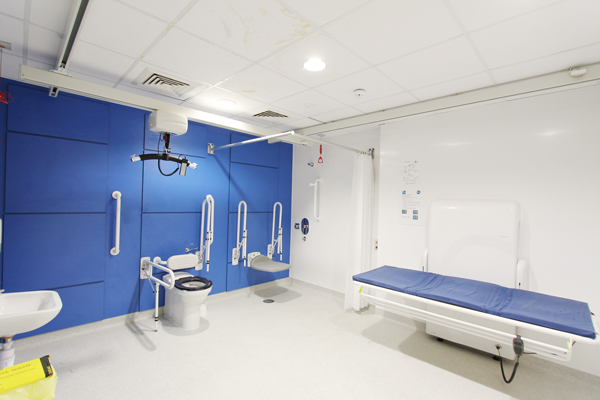
A spacious Changing places toilet. The far wall is blue, the wall to the right is white. There is a sink and bin on the left. A toilet and seat are on the back wall with grab rails and support walls. There is a hoist in the ceiling, and a blue change bench on the right.

Talking about loos used to make me squirm with embarrassment. But since being diagnosed with a chronic pain condition 15 years ago, I’ve realised just how important they are. Did you know, you’ll spend more of your adult life on the toilet than you do at school, or socialising, or laughing? We all need access to safe, clean facilities, which is why the Changing Places campaign to install toilets for disabled people who experience the most barriers to access is so vital…

The pandemic forced us to talk about toilets. At the start, we stockpiled Andrex; later on, a socially-distanced drink in the park became a quest to find places to pee. The closure of many public loos during lockdowns meant that the next best option was a secluded bush – or just staying home watching Tiger King (again). This limit to people’s freedom impacted not only on personal wellbeing, but created a public health risk.

As a nation, we’ve collectively experienced the frustration and indignity of a lack of loos. So we should collectively exercise empathy – and action – for those who experience this as a daily reality, even after the lockdowns. What’s known as the ‘urinary leash’ impacts marginalised communities the most. The lives of women, pregnant people, disabled people, the elderly, trans people and others can be majorly restricted based on the availability of public facilities. Like many, my disability means I plan my day and my movements around access to loos. Like many, I have intentionally dehydrated myself, spent hours in pain, or been trapped at home. 

Blue circular symbol. Figure by changing bench on the left. Figure using a wheelchair underneath a hoist on the right.
The Changing Places symbol

Today, public toilets are under threat, for instance half have been closed in London over the past decade. But even the available toilets are not accessible for everyone. A quarter of a million people in the UK need Changing Places toilets. Changing Places toilets provide the space and equipment, like a bench and hoist, needed by disabled people who experience the most barriers to access. Without them, the only option is to be changed on the floor – or not leave the house at all. This is, as the Changing Places Consortium says, ‘dangerous, unhygienic and undignified.

The number of Changing Places toilets is rising, but there are still nowhere near enough. Lack of a suitable toilet might make the difference between a child being able to go and see a show or not, and yet theatres are still being built without these facilities. The Changing Places Consortium is campaigning for Changing Places toilets to be installed in all public venues so that spaces we all have a right to – like the theatre – are accessible for everyone.

Why are loos important? Because offering free, clean toilets is one of the easiest ways to improve individual and public health and make the community accessible to everyone. Loos offer us freedom, and their availability, upkeep and closure is a political statement about who is welcome, and who belongs.

You can find ways to support the Changing Places campaign here.

Removing barriers for people with invisible disabilities

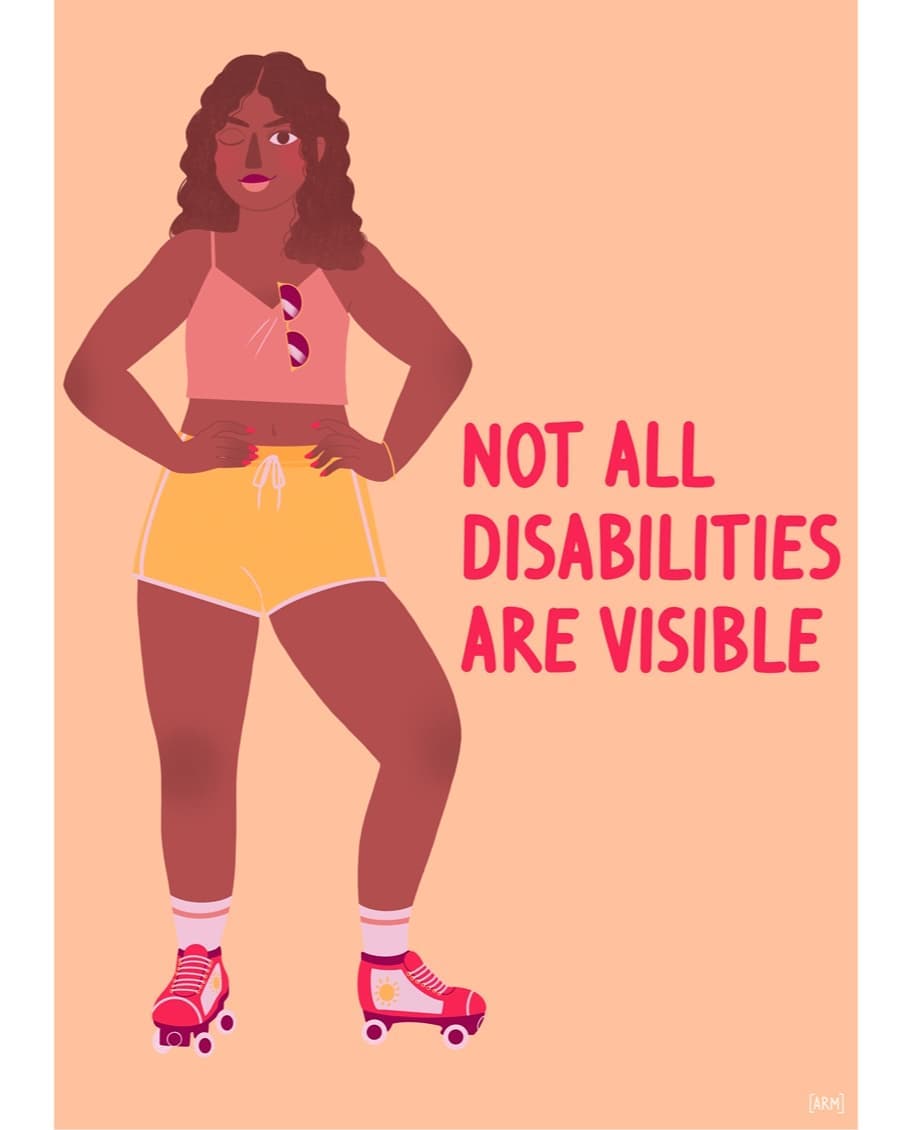
Illustration of a woman of colour standing with her hands on her hips. She is wearing a pink top, yellow shorts and red roller skates, and winking. Next to her is text in red: 'Not all disabilities are visible'
Flossie Waite, Communications & Advocacy Officer

I’m one of the 70% of disabled people with an invisible (sometimes called hidden or non-visible) disability. Many disabilities aren’t immediately, or ever, visible, including mental health conditions, autoimmune conditions, and neurodivergence.  Though my disabilities can’t be seen, that does not mean I don’t experience barriers to access.

For me, a huge part of my experience of having an invisible disability is the struggle to be believed, both by society but also by myself. I struggle with other peoples’ assumptions – I look fine, so I must be fine – but also my own internalised ableism: that I’m not disabled, I’m just making a fuss. I’ve often policed myself, choosing not to use disabled toilets or seats on the tube for fear of judgement from others that I don’t ‘look’ disabled.

I want to share some things the arts industry can do to remove barriers for employees and freelancers with invisible disabilities. These are based on my personal experience, so they balance practical tips with strategies for lifting the burden of proof that I, and maybe others, feel. I’d encourage everyone to also look to other incredible artists and organisations like Daryl & Co, Graeae, TourettesHero, Birds of Paradise, Unlimited and Access All Areas for guidance on how to work inclusively.

  • avoid disabled people having to advocate for or explain their needs. In my experience, it can be easy for people to forget what they can’t see, so the responsibility falls on the disabled person to offer reminders. This can feel like having to evidence your disability, which is daunting.
  • ensure that access audits and access riders are active documents. (You can find an example access audit here and access rider template here). The Access Lead should be really familiar with the contents and offer regular opportunities to update the information
  • don’t ask people to disclose more than they want to. The hidden nature of invisible disabilities can make it difficult to understand how they impact a person’s life. However, it’s important to accept and believe the access information offered to you.
  • frame accommodations as a statement, not a question. Rather than asking if someone would like a break, or like to use the Quiet Room, build breaks into all sessions and make clear the Quiet Room is always available. Making lots of choices can be tiring, and when your choices might impact on the people you’re working with – for instance, by pausing a meeting – it’s easy not to prioritise your needs.  
  • don’t be afraid to be proactive. For instance, an artist might need regular rest breaks but get into a work flow and lose track of time – it’s okay to gently draw attention to the time and suggest a pause.
  • be aware of dynamic disabilities. Some invisible disabilities mean a person might be able to do certain things on some days but not on others. Create an open, flexible environment so that this can be communicated and accommodated without judgement.

Finally, remember that many people have both visible and invisible disabilities. The most important guidance is perhaps the most simple: “Do not make assumptions. Everyone’s experience is unique.”

Header image by Ananya Rao-Middleton. Ananya is a disabled illustrator and activist. You can find out more about her work here

‘Being With’ in Sensory Theatre Report

A young boy smiles at his reflection in a mirror framed with white lights. Two adults dressed in white look on, one holds the mirror. The image is lit with mauve tones.

A new report from Oily Cart Researcher in Residence, Dr Jill Goodwin and Artistic Director, Ellie Griffiths

‘Being With’ in Sensory Theatre investigates what we can learn from people with different perspectives and grapples with the difficult questions that arise in the making of our work.

The report offers a shift in how we experience art together in ways that mean something to all of us. It focuses on the theatre experience for audiences who experience the world in radically different ways and looks at how sensory shows can create equal opportunities for all theatre goers. The authors also dig into the often feared areas of language and labelling and agency and personhood to provide some clarity and suggestions.

We hope our research will be of interest to anyone who works creatively with disabled children and young people who experience the most barriers to access.

This report is available in different formats, if you require something not listed below please get in touch with us: access@oilycart.org.uk

Read the Report

You will need the latest version of Adobe Reader to view this report

Accessible versions of the report are below. Please contact us on access@oilycart.org.uk if you would like the report in another format.

Watch

We have made three short films that introduce the key findings of the report. Watch the report’s authors, Dr Jill Goodwin and Ellie Griffiths, in conversation with Miss Jacqui one of the report’s contributors.

Being With’ in Sensory Theatre, Part 1: Introduction – Language and Labelling
Being With’ in Sensory Theatre Part 2: Agency and Personhood
Being With’ in Sensory Theatre Part 3: The Role of the Supporting Adult

Learn more about Jill Goodwin’s work here: www.jillgoodwin.uk

The Uncancellable Programme Report

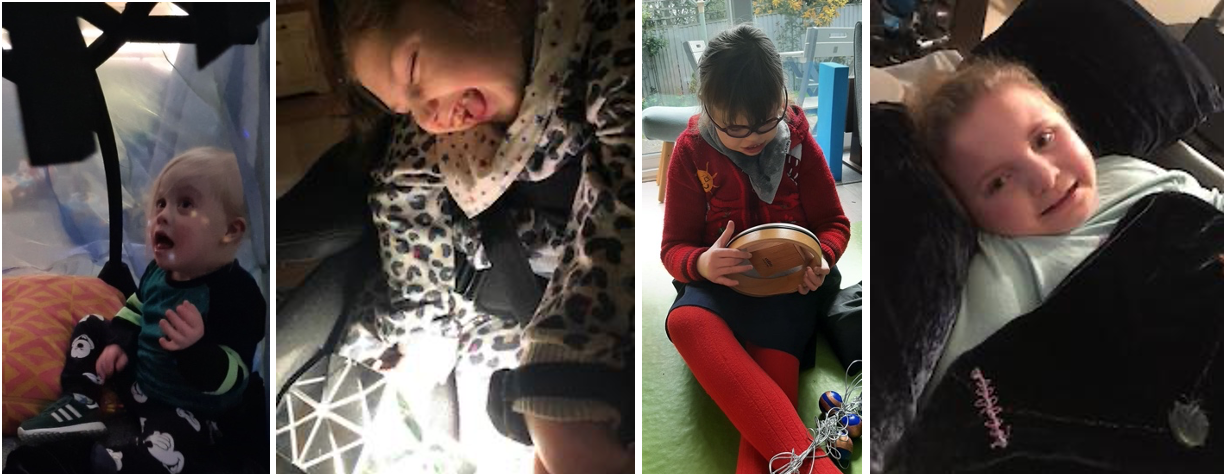
Panel of four photos of young people experiencing Space to Be at home. One is looking at patterned lights inside a blue gauze tent. Another is shining a wrist torch on a shiny mirrored sheet. Another is playing with the kalimba. And the last is resting on a velvet double-length pillow, underneath a velvet blanket with embroidered patterns.

The Uncancellable Programme by Oily Cart
Sensory and inclusive theatre created for and with disabled children, young people and their families during and post-COVID-19 times

Report by Dr Maria Varvarigou, October 2021

The report is available in different formats, if you require something not listed below please get in touch.

Oily Cart Uncancellable Programme Report (Condensed) WORD

Oily Cart Uncancellable Programme Report (Condensed) LARGE PRINT

Oily Cart Uncancellable Programme Report (Full) WORD

Oily Cart Uncancellable Programme Report (Full) LARGE PRINT

Something Love: Accessible Creative Practices

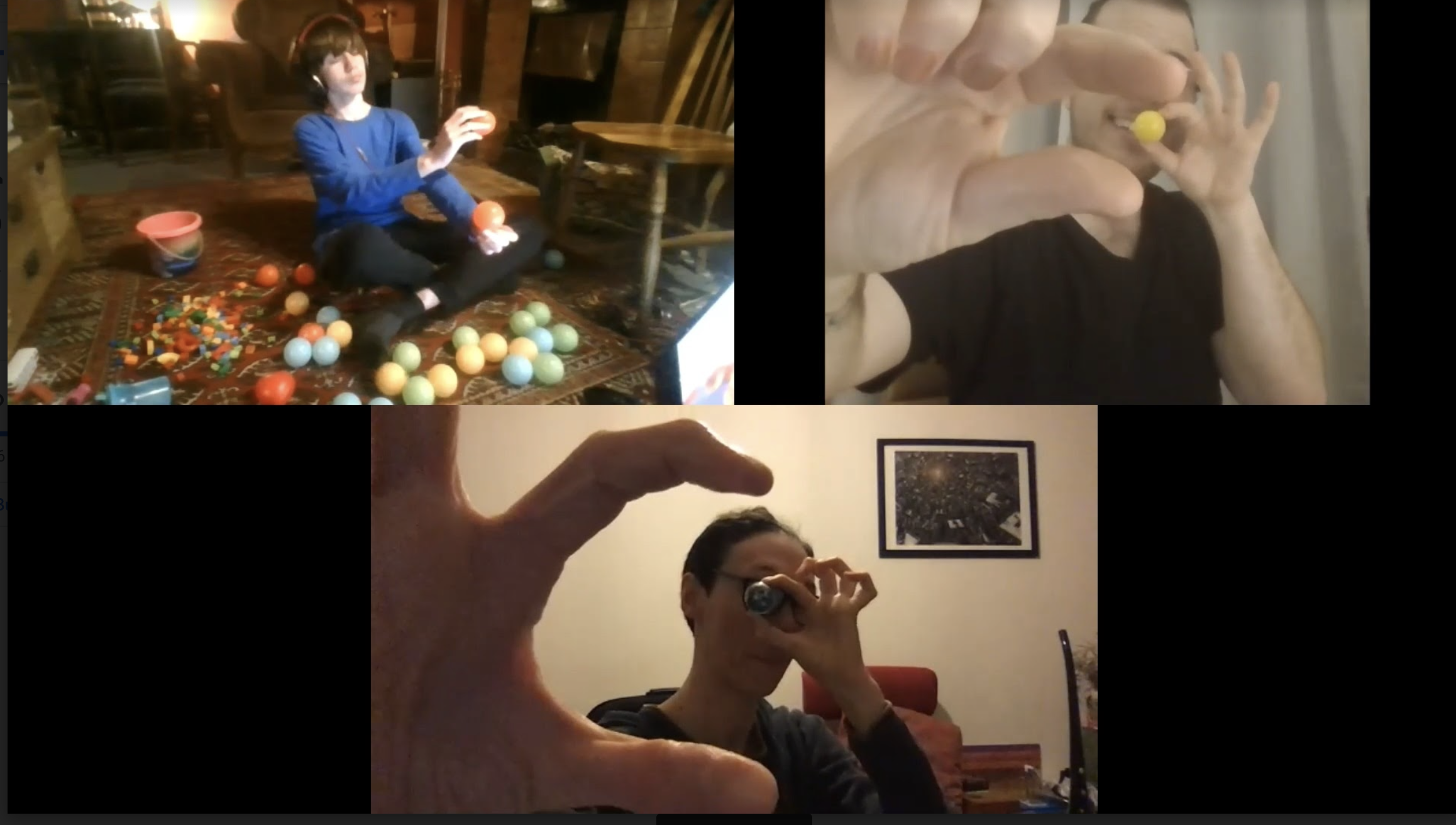
Zoom screen with 3 participants, including a young person sat on a rug surrounded by different colour and shaped plastic balls and holding two orange balls. The other participants are also holding up one plastic ball to their eye and holding their other hand up close to the camera in a C shape.

When the pandemic began, we found we weren’t allowed into theatres and schools, or any of the places we normally perform. We couldn’t create close-up, interactive shows that used touch as a central technique, either. We quickly realised we needed to reimagine the entire format of how we usually work. We called this our ‘Uncancellable Programme’. Our priority was to make sure that audiences who have barriers to access were still being served during Covid-19 and did not become invisible. We took our shows onto doorsteps and into playgrounds, delivered performances through Zoom and posted packages. And, for the first time, we did an R&D to ask the question: how can sensory theatre translate into film work?

The project was called Something Love, and it was made for and with neurodivergent and Autistic young people. It was process-driven, rather than outcome-driven, to give us plenty of space to play without pressure, and to explore how to make the creative process accessible. Standard creative processes, even those with some access built in, can create barriers for disabled and chronically ill artists, including expected working hours, lack of flexibility, and physically inaccessible and / or non-relaxed spaces. Something Love stemmed from one of the artists reflecting that the creative solutions found for remote working when the pandemic hit did not feel wholly positive. He had not been able to work in the industry for a decade as it was deemed not possible to structure processes in a way that he could access; suddenly, working remotely enabled him and it became clear that there were approaches that could have worked all along.

Zoom screen with 3 participants, including a young person sat on a rug surrounded by different colour and shaped plastic balls and holding two orange balls. The other participants are also holding up one plastic ball to their eye and holding their other hand up close to the camera in a C shape.
Zoom creative session

We wanted to understand what creating remotely offered us, that we could take forward as accessible working practices when Covid is over. Here are some thoughts from the Something Love creative team, with thanks also to the many incredible companies and artists like Graeae, Access All Areas and Daryl Beeton who are so generous in sharing accessibility best practice.

Firstly, one of the biggest things that makes a creative process accessible is its structure. To understand what structure we needed to build, we sent access audits to the whole team at the very start (with the option to go through this together on the phone and / or have a follow up chat), and welcomed access riders (there’s more information about access riders and templates here and here). Whilst the creative team spoke at the beginning of the project about access being everyone’s responsibility, we also found it really helpful to have someone leading on access, whose role it was to ensure all access requirements were being supported. By having this person present, and their role reinforced at every meeting, they became the go-to person for the whole team for anything related to access. Some artists may also want to work with a Creative Enabler – a term coined by Graeae theatre company for a support worker who collaborates artistically with the creative.

Working remotely, it was important to find ways to keep the team connected. Before the first meeting, we sent everyone a red squishy heart (an image connected to the project) which we all had to hand in meetings and sessions. We set up a Slack channel where people could share footage, images and audio of what they’d been working on and keep in touch. And to mark the end of the process, we organised an online premiere, with a pack of goodies sent to each person as a thank you.

Agendas and plans were sent out a couple of days before any meeting or session. All meetings were held on Zoom, in a relaxed format – we started each session with a reminder that everyone was welcome to turn their camera and mic off and on, to move around and stand up, leave and come back as needed. We limited the length of meetings to an hour and a half, including a 20 minute rest break, and finished with a ‘soft ending’ – 15 minutes after the end of the meeting agenda for anyone who wanted to stay online to ask a question, give feedback, make a point or just have a chat.

Zoom screen with four participants, all holding up a red squishy heart.
Zoom creative session

It’s important to put as much in place to support mental health and wellbeing as you do any other illness or disability. We found that emotional support is required for this – a member of the team was a Mental Health First Aider and we also worked with an external artist wellbeing consultant. During this process, we had a wellbeing check-in mid-way through the creative process with each member of the creative team – just an informal phone call or Zoom to see how they were doing and whether there was any additional support we could put in place for the remainder of the project. This might be something you consider doing more than once during a creative process.

Of course, creating remotely might not be the most accessible format for everyone – that’s something the access audits and chats can help you to understand at the start – so as the world opens back up, you could consider a blended approach that allows for both ways of working.

It’s important to acknowledge that there were things we found hard, we got wrong, and we would do differently next time. It was difficult giving the clarity needed for timetabling and planning, for instance, in a devised process where the project was constantly shifting and the team was figuring it out as they went, creatively. Whilst having a range of ways to keep in touch was positive, in future we will have a focus for how each platform is used, and limit who from the organisation delivers information, to reduce communication becoming overwhelming or confusing. We also found it can be tricky to create budgets that balance supporting flexibility within the process, with having the widest reach and impact for the audience. And there are limitations on how flexible you can be as a small company, which is possibly why many organisations focus on access for either audience or artists. As part of an inclusive cultural recovery, we should all want to move towards projects being accessible for both.

Top Tips on working more accessibly from the Something Love team:

  • Elements of the creative process, or the whole creative process, can be done online, which can really open up access for some artists. It allows for shorter bursts of activity where energy is focused purely on the project rather than travel etc.
  • Do Access Audits and welcome Access Riders from the whole team at the beginning of the process to ensure you can put the right support in place, like working with Creative Enablers.
  • Slow the process down – allow plenty of time and be flexible to meetings needing to be rearranged last minute.
  • Be mindful of language. Using phrases like ‘it will just take a minute’ or responding to requests for support with ‘Don’t worry, it shouldn’t take too long to do together’ can minimize the experience of artists who, for instance, have energy management conditions, and reinforces an expected speed of working that creates barriers.
  • Listen. No one gets it right all the time – the most important thing is to really genuinely be trying to listen to the stuff that is difficult to hear.

Dr Jill Goodwin: From ‘doing’ to ‘being’

Image inside a golden fabric tent, with a golden cushion and stool.

Dr Jill Goodwin is an installation artist with a background in primary and special education.  We will be working with her over the next few months on a new installation project designed for use in school, hospital and community settings.  Jill’s doctoral research sits at the heart of the project, and she explains a bit about this, and her connection with Oily Cart below. 

During my teaching career I was particularly captivated by the challenge of working with learners who are non-verbal communicators.  My connection to the wonderful work of Oily Cart goes back to when I took part in one of their Summer Schools in 2006, which was a ‘Eureka!’ event for me.  The experience prompted me to integrate my work as an artist with my work as a teacher, practices I had previously seen as very separate.  It also helped me to recognise that my work in both spheres – my interest in atmospheric art installations, and my use of music, story, drama in the classroom – was already very ‘theatrical’.  When I later left the teaching profession to concentrate on my artistic practice, I used my learning experiences with Oily Cart as my guide. 

You can see one of my multisensory installations in use here:

In July 2019 I completed my PhD study, ‘Sharing an Aesthetic Space of Refuge within a School for Pupils with Profound and Multiple Learning Disabilities: Golden Tent’.

Over the course of the study I took my practice in a new direction by focusing on the quality of the “in-the-moment” contact between someone with, and someone without, profound disabilities.  I had noticed that my own “busy-ness” sometimes got in the way of me really attuning with an individual with PMLD – particularly someone whose physical impairments made them appear passive and whose cognitive impairments made their response times different to my own. 

Image of large golden fabric tent inside a school hall.

I became interested in how the arts might help support-partners to shift from a busy “doing” mindset to a stiller “being” mindset.  Golden Tent was created as part of the research process and was presented in school as a sensorially immersive space within which participants were encouraged to simply experience the colour of the space, and the soundscape surrounding the tent.  Conceptualised as a ‘space of refuge’ away from the demands of busy classrooms, staff were encouraged to temporarily let go of pupil learning targets in order to simply share the aesthetic experience together. 

Image inside a golden fabric tent, with a golden cushion and stool.

Analysis of staff feedback showed that they valued this escape from the classroom, and also that they saw the space as somewhere pupils could ‘express themselves’ free from expectation, potentially revealing more of themselves.  The atmosphere and immersive experience of Golden Tent was seen as pivotal to this process.  I am delighted to have the opportunity to further extend the impact of my research and to continue exploring ideas of mutual sensory-being with the Oily Cart team.

Find out more about Jill and her work here: www.jillgoodwin.uk